Comparing Battery Types Used in Modern EVs
 By Marty

Electric cars are no longer a niche idea, and battery choices now shape how people drive, spend money, and plan daily life. The battery under the floor decides how far you go, how fast you charge, and how safe the ride feels in summer heat or winter cold. Understanding battery types turns confusing specs into clear, useful knowledge.
Electric vehicle batteries are not all built the same, even if two cars look identical on the outside. Some batteries focus on long range, while others focus on safety, cost, or long-term durability. Once you know what’s inside, choosing or owning an EV becomes much less intimidating.
Battery chemistry matters more than brand names or flashy screens. The materials inside each battery affect performance, lifespan, and how the car behaves day to day. That’s why automakers carefully match battery types to different models and buyers.
Why Battery Chemistry Shapes Every EV Experience
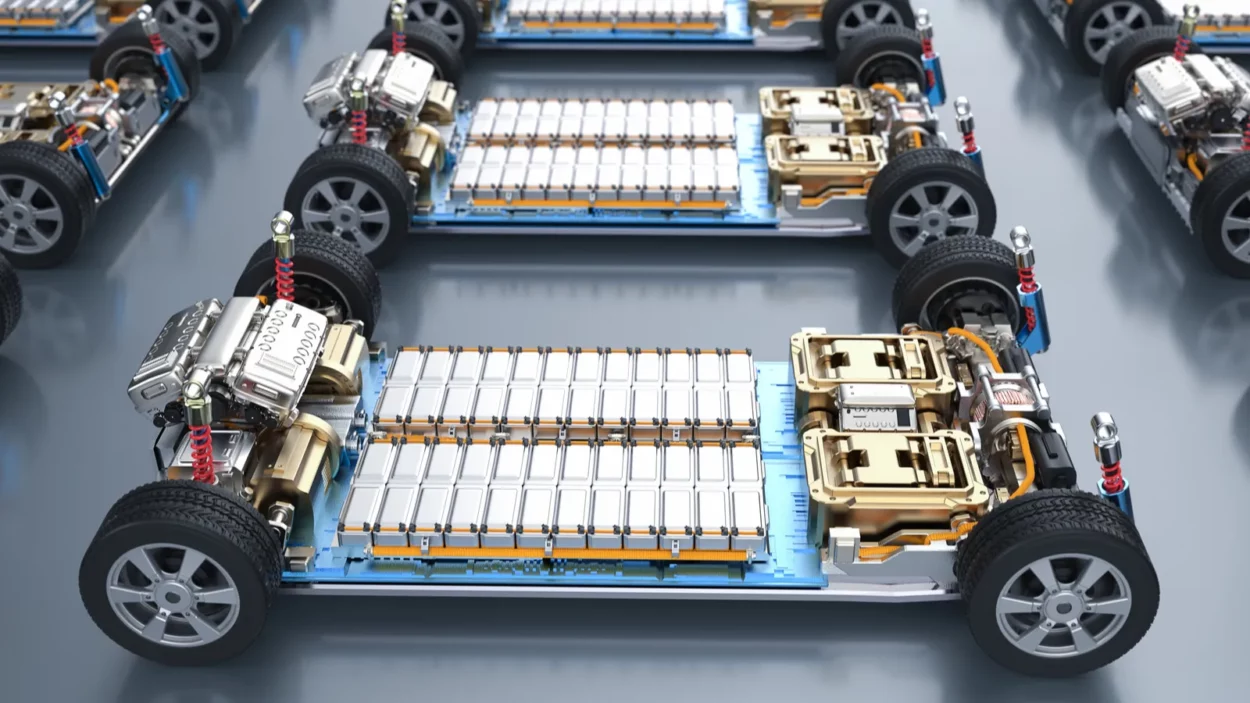
Battery chemistry controls how energy is stored and released inside an electric vehicle. This chemistry affects driving range, charging speed, safety, and the time before the battery’s capacity declines. Automakers do not pick battery types randomly, because each choice comes with clear trade-offs.
Energy density is one of the biggest factors influenced by chemistry. Higher energy density means more miles per battery. Lower energy density usually means better safety, lower cost, or longer life.
Thermal stability is another major concern. Some batteries handle heat better, which matters in hot states and during fast charging. Others need complex cooling systems to stay safe and efficient.
Cost also depends heavily on chemistry. Batteries using nickel and cobalt tend to cost more and rely on tighter supply chains. Batteries that avoid these materials are often cheaper and easier to produce at scale.
Longevity plays a role as well. Some batteries can handle thousands of charge cycles with little loss. Others perform well early but wear out faster over time.
No single chemistry wins in every category. That’s why the EV market uses multiple battery types rather than chasing a single perfect solution.
The Most Common EV Battery Types on the Road Today

Lithium iron phosphate batteries, often called LFP batteries, prioritize durability and safety. These batteries have moderate energy density but can handle thousands of charge cycles. They are also very resistant to overheating, which makes them popular for daily driving.
LFP batteries cost less than many other lithium-ion types. They work especially well in city driving and moderate climates. The trade-off is a shorter range compared to other chemistries of the same size.
Many base versions of popular electric cars use LFP batteries. Automakers like them for entry-level trims and fleet vehicles. Their long lifespan makes frequent charging less of a concern.
Nickel manganese cobalt batteries, known as NMC, aim for balance. They offer high energy density and strong performance in a compact package. This makes them ideal for drivers who want a longer range without the bulk of a large battery pack.
NMC batteries cost more than LFP batteries. They also need careful thermal management to stay safe. Still, their range advantage keeps them popular in the mainstream electric vehicle market.
Nickel-cobalt-aluminum batteries, or NCA, push performance even further. These batteries deliver very high energy density and strong acceleration. They are often used in premium or performance-focused models.
NCA batteries are expensive and complex to manage. They require advanced cooling and safety systems. Automakers reserve them for vehicles where range and power matter most.
Solid-state batteries represent the next major leap, though they are still in development. They replace liquid electrolytes with solid materials. This design promises higher energy density and better safety.
Solid-state batteries could double the range of current lithium-ion packs. They may also charge faster and last longer. Cost and manufacturing challenges still limit real-world use.
Toyota, BMW, and several startups are testing solid-state batteries. Early versions appear in pilot programs and labs. Widespread use is expected later in the decade.
| Battery Type | Energy Density | Lifespan | Cost | Safety | Common Use |
|---|---|---|---|---|---|
| LFP | Moderate | Very long | Lower | Very high | Entry-level EVs |
| NMC | High | Good | Higher | Moderate | Long-range EVs |
| NCA | Very high | Good | High | Moderate | Premium EVs |
| Solid-State | Very high | Very long | Very high | Excellent | Future EVs |
Older and Alternative Battery Technologies Still in Use
Nickel-metal hydride batteries played a major role before modern lithium-ion packs took over. These batteries are common in hybrid vehicles. They balance reliability with acceptable performance.
Nickel-metal hydride batteries last a long time. They tolerate frequent charging and temperature changes well. Their lower energy density makes them less suited for full electric cars.
Lead-acid batteries are the oldest type still seen in vehicles. They cost less and are easy to recycle. Their weight and low energy storage limit their use.
Most modern electric cars do not rely on lead-acid batteries for driving power. They still use small lead-acid units for electronics and backup systems. Golf carts and older EVs remain their main applications. Ultracapacitors store energy differently than traditional batteries. They charge and discharge extremely fast. This makes them useful for short bursts of power.
Ultracapacitors do not store much energy. They cannot replace the main EV batteries. Instead, they assist with acceleration and regenerative braking. Flow batteries are another experimental option. They store energy in liquid solutions. These systems suit buses and large vehicles better than small cars.
Sodium-ion batteries are gaining attention as a lower-cost alternative. Sodium is more abundant than lithium. These batteries work well in extreme temperatures. Sodium-ion batteries offer safety and durability advantages. Their energy density is lower than lithium-ion batteries. Researchers continue improving their performance.
How Battery Design Affects Performance and Safety

Battery cells come in cylindrical, prismatic, and pouch formats. Each shape influences cooling, space use, and safety. Automakers choose formats based on vehicle design goals. Cylindrical cells handle heat well and resist damage. Tesla has used them for years. Their shape makes cooling easier.
Prismatic cells use space efficiently. They fit neatly into battery packs. Many modern EVs rely on this design. Pouch cells reduce weight. They allow flexible layouts. Extra protective housing is required to keep them safe.
Battery management systems monitor every cell in real time. They track temperature, voltage, and charge levels. These systems prevent overheating and failure. Good design extends battery life. It also protects passengers during crashes. Safety systems are just as important as chemistry.
Factors That Influence EV Battery Life and Range
Battery capacity determines how far an EV can drive. Higher capacity means more stored energy. This directly affects daily convenience. Temperature strongly impacts battery behavior. Cold weather reduces range temporarily. Heat speeds up long-term wear.
Charging habits also matter. Frequent fast charging stresses batteries more. Slower charging helps preserve battery health. Deep discharging shortens lifespan. Keeping some charge in the battery reduces stress. Many EVs automatically manage this for drivers.
Regenerative braking improves efficiency. It captures energy during slowing. This energy feeds back into the battery. City driving often benefits most from regenerative braking. Stop-and-go traffic increases recovery opportunities. Highway driving relies more on raw capacity.
Frequently Asked Questions
- What is the best battery for electric cars today?
Lithium-ion batteries dominate modern electric cars because they offer strong range, fast charging, and reliable safety. Different lithium-ion chemistries serve different needs. There is no single best option for every driver. - How long do electric vehicle batteries last?
Most EV batteries last between 8 and 15 years, depending on use. Heat, fast charging, and deep discharges reduce lifespan. Careful charging habits help batteries last longer. - Can EV batteries be recycled?
Yes, most EV batteries are recyclable. Valuable materials can be recovered and reused. Recycling reduces waste and supports sustainable production. - Do cold temperatures affect EV range?
Cold weather temporarily lowers battery performance. Range drops until the battery warms up. Many EVs use heating systems to reduce this effect. - Are solid-state batteries available now?
Solid-state batteries are mostly limited to testing and pilot programs. Mass-market use is still a few years away. Automakers continue refining the technology.
Conclusion
- EV batteries differ widely in chemistry, cost, safety, and performance
- LFP batteries prioritize safety and longevity, while NMC and NCA focus on range
- Solid-state batteries promise major gains but are not yet mainstream
- Battery design, temperature, and charging habits affect long-term performance
- Understanding battery types leads to smarter EV choices and ownership confidence
This article was created with the help of AI tools and human editing.
Read More From This Brand
Author
MartyMarty also writes for EV Smarts and shares detailed notes on his experience driving a range of cars, EVs or otherwise. Having owned over twenty different cars over the years, Marty has a lot of driving experience spanning many years.
Share this article