Can old brake fluid hurt your brakes? What you need to understand
 By Marty

Brake fluid plays a critical role in vehicle safety, yet it is often overlooked until problems appear. Unlike visible components such as pads or rotors, brake fluid operates behind the scenes, transferring force from the pedal to the braking system.
Over time, however, brake fluid degrades and loses effectiveness, which can directly impact stopping performance. Understanding whether old brake fluid can damage your brakes is essential for maintaining safety and avoiding costly repairs.
From moisture contamination to heat-related breakdown, the condition of this fluid can determine how reliably your vehicle responds when you need it most.
Why brake fluid degrades over time
Brake fluid does not last indefinitely because of its chemical properties. It is hygroscopic, meaning it naturally absorbs moisture from the surrounding air. Even in a sealed braking system, small amounts of humidity can enter through hoses, seals, or the reservoir cap.
As moisture builds up, the fluid’s performance begins to decline. Water contamination lowers the fluid’s boiling point, which can lead to the formation of vapor under heavy braking. These vapor pockets reduce hydraulic pressure, making braking less responsive.

In addition to reduced performance, moisture can cause internal corrosion. Brake lines, calipers, and the master cylinder are all vulnerable to rust and deterioration when exposed to contaminated fluid. Over time, this can lead to costly repairs or even system failure if left unchecked.
How driving conditions accelerate fluid wear
Brake fluid degradation is not solely determined by time. Driving habits and environmental conditions play a major role in how quickly the fluid breaks down.
Frequent heat cycles contribute significantly to wear. Each time the brakes are used, the system heats up, and as it cools, components contract. This expansion and contraction can allow small amounts of air and moisture to enter the system over time.
Urban driving conditions, particularly stop-and-go traffic, place additional stress on brake fluid. Constant braking increases temperatures and accelerates chemical breakdown.
Similarly, driving in hilly or mountainous areas requires frequent braking, which generates more heat and accelerates fluid degradation.
Climate also matters. In humid environments, moisture enters the braking system more easily, increasing the rate at which the fluid becomes contaminated.
Recommended replacement intervals
Replacing brake fluid is a routine maintenance requirement, not an optional service. Most manufacturers recommend changing brake fluid every 2 to 3 years, though this may vary depending on the vehicle and driving conditions.
Following the schedule outlined in the owner’s manual is the most reliable approach. Vehicles subjected to heavy use, such as frequent city driving or operation in humid climates, may require more frequent service.
Regular replacement ensures that the fluid maintains its proper boiling point and hydraulic performance, reducing the risk of system damage and preserving braking reliability.
Can old brake fluid damage your braking system
Old brake fluid can do more than reduce stopping performance. It can actively harm key components of the braking system.
As moisture accumulates, internal corrosion becomes more likely. Rust can develop in brake lines and within calipers, potentially leading to leaks or reduced braking force. The master cylinder, which controls hydraulic pressure, is also at risk of damage when exposed to degraded fluid.
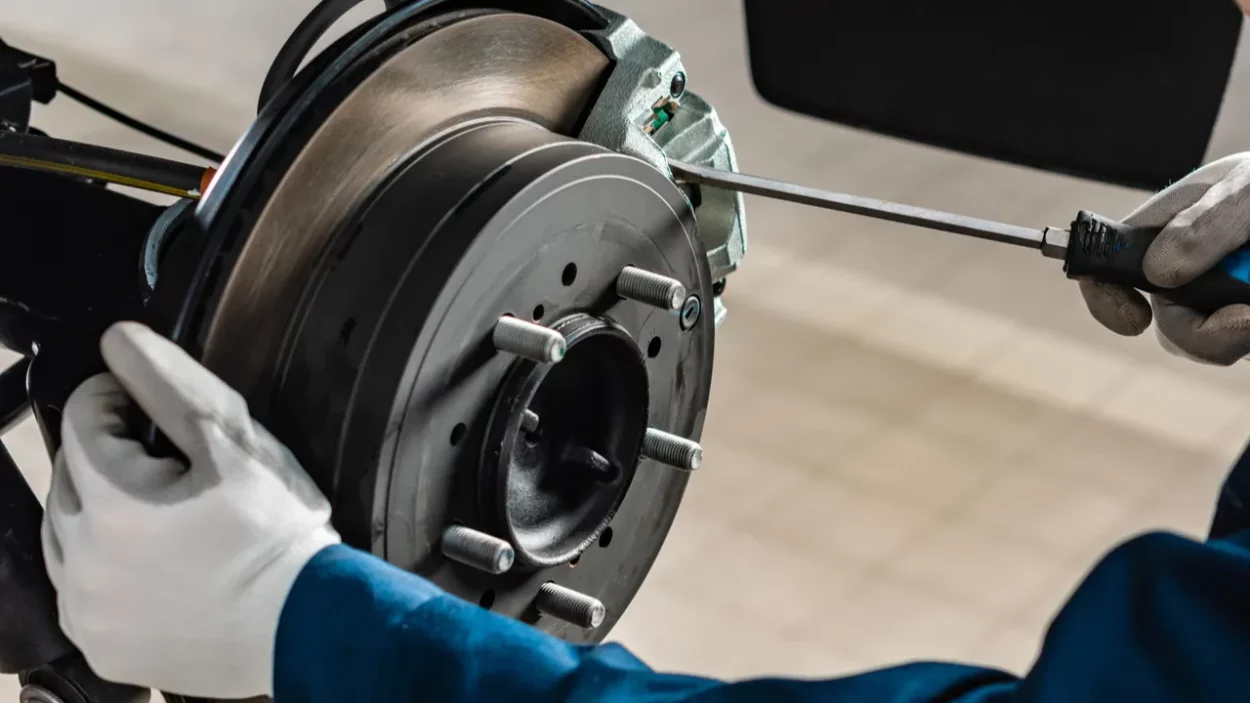
Another concern is inconsistent braking response. Vapor formation under high temperatures can create a spongy or delayed pedal feel. This reduces driver confidence and increases stopping distances, particularly in emergency situations.
Over time, these issues can compound. What begins as reduced efficiency can escalate into mechanical failures that require costly repairs or part replacements.
What bad brake fluid looks like
Visual inspection can provide clues about the condition of brake fluid, though it is not always definitive. Fresh brake fluid typically appears clear or light amber.
As the fluid ages and absorbs contaminants, it may turn darker, appearing brown or cloudy. This discoloration often indicates the presence of moisture or debris within the system.
However, relying solely on appearance can be misleading. Brake fluid can lose effectiveness before visible changes occur. This is why scheduled maintenance based on time or mileage remains essential.
Warning signs of failing brake fluid
Drivers may notice subtle changes in braking performance as fluid degrades. These symptoms often develop gradually, making them easy to overlook.
A soft or spongy brake pedal is one of the most common signs. This can indicate the presence of air or moisture in the system, reducing hydraulic pressure.
Longer stopping distances are another warning sign. When fluid performance declines, the system may not generate sufficient force to stop the vehicle quickly.
Dashboard warning lights can also signal issues, particularly if fluid levels drop or the system detects irregularities. In some cases, visible dark or contaminated fluid may confirm the need for replacement.
Ignoring these signs can lead to more serious problems. Addressing them early helps maintain safety and prevents further damage.
The cost and process of brake fluid replacement
Brake fluid replacement is a relatively straightforward maintenance procedure. Most services involve flushing the old fluid from the system and replacing it with new fluid that meets the manufacturer’s specifications.

The process typically takes between 30 and 60 minutes, depending on the vehicle and the condition of the braking system. Costs can vary based on the type of fluid required and the complexity of the system.
While the expense is generally modest compared to major repairs, delaying service can lead to significantly higher costs if components are damaged by contaminated fluid.
Choosing the right type of brake fluid
Different vehicles require specific types of brake fluid, commonly labeled as DOT 3, DOT 4, or DOT 5.1. These classifications refer to performance characteristics such as boiling point and chemical composition.
Using the correct fluid is essential for maintaining system integrity. The recommended type is usually indicated in the owner’s manual or on the brake fluid reservoir cap.
Mixing incompatible fluids or using the wrong specification can compromise braking performance and potentially damage system components. Ensuring the correct fluid is used is a key part of proper maintenance.
Why preventive maintenance matters
Brake fluid is often overlooked because it does not require frequent attention. However, its role in vehicle safety makes regular maintenance essential.
Replacing fluid at recommended intervals helps maintain consistent braking performance and prevents internal damage. It also reduces the likelihood of unexpected failures, which can occur when degraded fluid reaches critical levels.
Preventive maintenance is generally more cost-effective than reactive repairs. Addressing fluid condition early helps avoid damage to expensive components and ensures reliable braking under all conditions.
TL;DR
- Brake fluid absorbs moisture over time, reducing braking performance.
- Contaminated fluid can cause corrosion in brake lines, calipers, and the master cylinder.
- Heat, stop-and-go driving, and humid climates accelerate fluid degradation.
- Most manufacturers recommend replacing brake fluid every 2 to 3 years.
- Dark or cloudy fluid is a sign of contamination, but issues can occur before visible changes.
- Symptoms include a spongy pedal, longer stopping distances, and warning lights.
- Regular maintenance prevents costly repairs and ensures reliable braking performance.
This article was created with the help of AI tools and human editing.
Read More From This Brand:
Author
MartyMarty also writes for EV Smarts and shares detailed notes on his experience driving a range of cars, EVs or otherwise. Having owned over twenty different cars over the years, Marty has a lot of driving experience spanning many years.
Share this article